Schizoid Personality (SzPD)
DSM-5-TR: 301.20 ICD-10: F60.1Our most popular series by far, we discuss how the schizoid personality is often misunderstood and liken this type to a turtle, preferring to be alone vs in the social world. We explore psychodynamic theory and Nancy McWilliams’ conceptualization (which we find more complete than the DSM). We also contrast schizoid and autism; answer viewer questions; explore subtypes (and make our own!); and also contrast SzPD with avoidant personality.

Ep 37: Answering Viewer Questions About Schizoid Personality
In this episode of The Personality Couch, we (licensed clinical psychologists Doc Bok and Doc Fish) answer your most-asked questions about schizoid personality. We address misconceptions about schizoid and settle its pronunciation debate (is it skii-zoid or skitz-oid?). We also explore the significant role (or not) of maternal relationships in schizoid’s development. Relatedly, we take a critical look at emotional expression, where we discuss the impact of gender expectations, and the nuanced understanding of fear of intrusion. We further explore power dynamics at play in schizoid behavior, their expression of anger, and how this personality navigates our highly social world.
 Doc Bok
 Doc Fish
Answering Your Questions About Schizoid
Viewer questions have been steadily coming in, so here are some answers to questions such as: How do you pronounce schizoid? Can schizoids experience anger? Do schizoids mask? And more…
Doc Fish
Ep 36: Schizoid Personality vs Autism | Are They the Same?
In this episode of The Personality Couch, we (licensed clinical psychologists Doc Bok and Doc Fish) unpack the differences and similarities between schizoid personality disorder and autism spectrum disorder, and whether you can be diagnosed with both. We start by discussing the limitations of current research before investigating the underlying causes of social withdrawal seen in both conditions. We conclude by emphasizing that while they may share observable traits, their origins and implications are fundamentally different.
Doc Bok
Doc Fish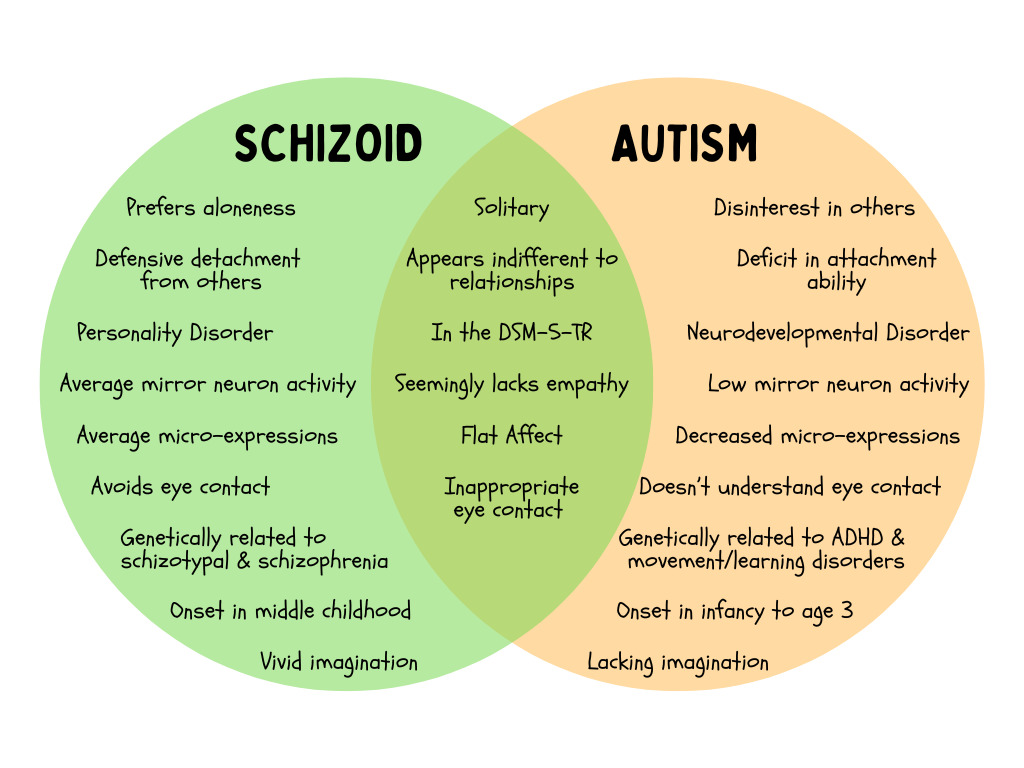
Schizoid Personality Disorder vs. Autism Spectrum Disorder
What is the difference between schizoid personality disorder and autism spectrum disorder? They seem similar…but they’re actually very different! Here, I explore the overlaps and contrasts of both schizoid and autism.
Doc Fish
Ep 35: A Deeper Look at Schizoid Personality | Psychodynamic Perspective
In this episode of The Personality Couch, we (licensed clinical psychologists Doc Bok and Doc Fish) use a fresh psychodynamic perspective to look at the misunderstood, quiet, awkward, and socially backwards schizoid. We explore the misunderstandings and stigmas surrounding schizoids, their emotional depth, and the historical perspectives that have shaped our understanding of this personality type. Our conversation highlights the internal struggles of schizoids, their coping mechanisms, and the rich inner lives they lead, often hidden from the outside world. We also take a look at the superpower of the schizoid and how they spot others’ disingenuousness. We emphasize the unique internal experiences of schizoids and the need for a compassionate approach in relationships and in clinical practice.
Doc Bok
Doc Fish
Schizoid Personality - A Deeper Look
Schizoid personality disorder in the DSM is described by what it is lacking, not what it actually is…so what IS it? Psychoanalytic theorists have helped us understand much more about schizoid personalities. So, let’s take a peek inside the schizoid!
Doc Fish
Ep 34: The Most Misunderstood Personality | Schizoid in the DSM
In this episode of The Personality Couch, we (licensed clinical psychologists Doc Bok and Doc Fish) dive into one of the most misunderstood personalities: the quiet, awkward, and socially backwards schizoid. We take a critical look at the DSM’s definition of this personality; the developmental pathways leading to schizoid traits; and the unique and complex inner world of schizoids. Using a turtle metaphor, we explore how schizoids resort to fantasy and withdraw inside their shell, escaping from the overwhelming social world. We also explore how schizoid types are often mislabeled as having autism and briefly discuss their differences. We conclude by discussing reasons for the schizoid’s withdrawal, highlighting that our global misunderstanding of this type drives them further away from relationships and from psychological help.
Doc Bok
Doc Fish
Schizoid Personality Disorder - The DSM’s Perspective…and Mine
Schizoid personality disorder is often overshadowed by more dramatic personality disorders, but if you dig deep into it, those with schizoid personality disorder are both misrepresented and misunderstood. While the DSM-5-TR criteria present a Schizoid puzzle piece… does it capture the whole picture?
Doc Fish
Ep 31: Paranoia, Paranoid Personality, or Schizophrenia? | Which Is It?
In this episode of The Personality Couch Podcast, we (licensed clinical psychologists Doc Bok and Doc Fish) unpack how paranoia, paranoid personalities, and psychotic disorders overlap. We explore the line between personality disorders and psychosis; misuse of the term schizophrenia; and introduce the concept of paraphrenia as it relates to psychosis in the paranoid personality. We also explore the historical context of paranoia, the nuances between paranoia and delusions, and how the terms became so intertwined in history. We end with our own unfiltered thoughts about limitations to DSM diagnostic categories and how paranoia became so confusing!
Doc Bok
Doc Fish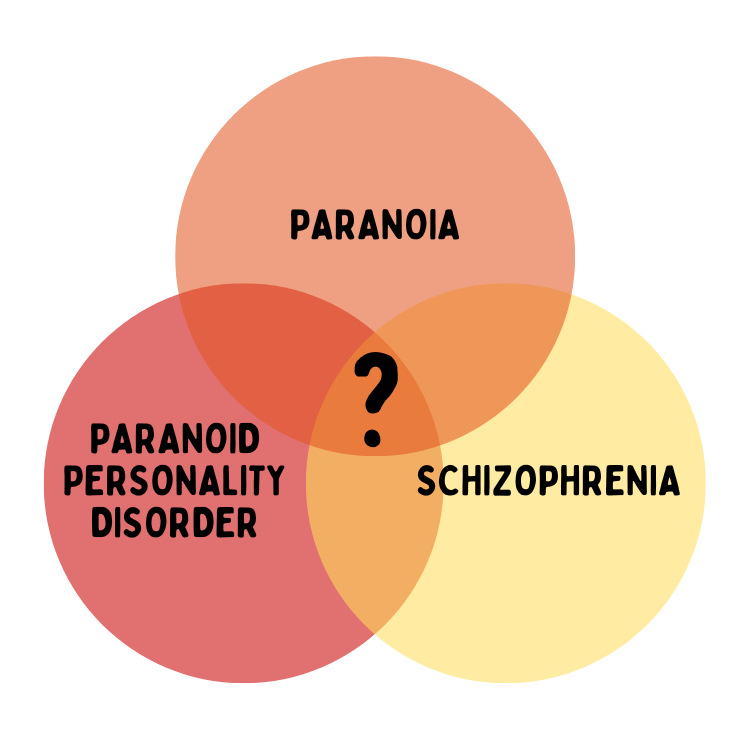
Parsing out Paranoia, Paranoid Personality, and Paranoid Schizophrenia
What do paranoia, paranoid personality disorder, and paranoid schizophrenia have in common? Not nearly as much as you would think! Here, I help parse out all the perplexing paranoia/d packages.
Doc Fish